Featured
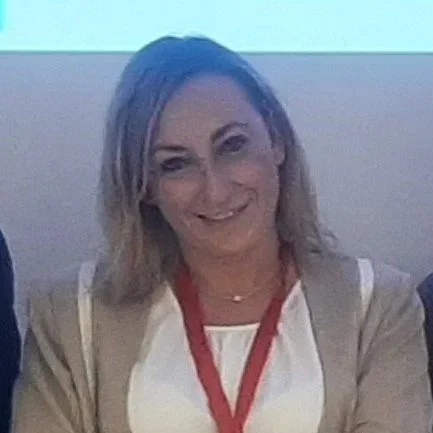

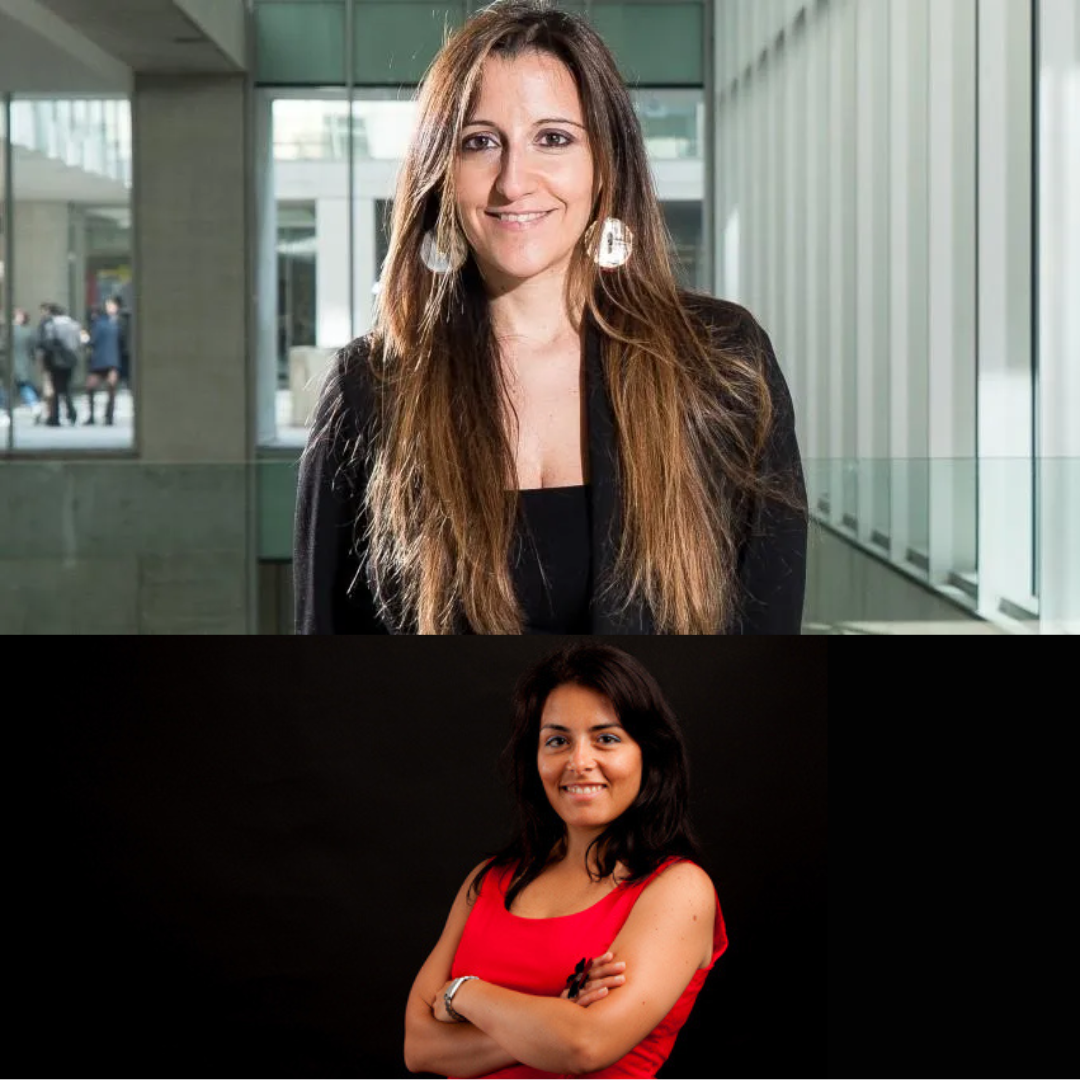
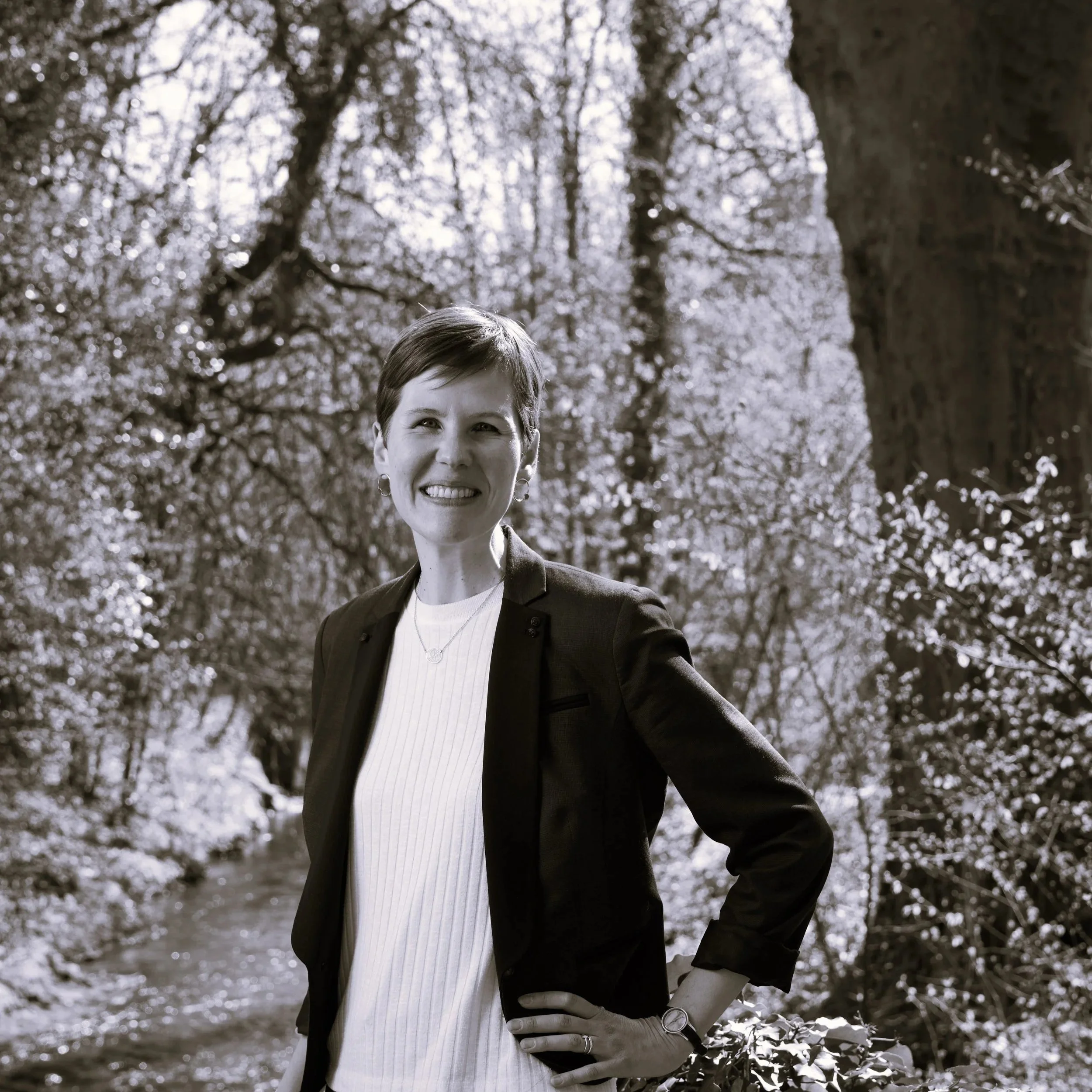

In the latest post in the IACL Blog’s symposium on The Language of Comparative Constitutional Law, Claudia Marchese reflects on the value of multilingualism in constitutional law. She explores how linguistic choices shape power relations and argues that multilingualism—supported by comparative law and legal-linguistic expertise—can foster inclusion, democratic participation, and peaceful coexistence.
Dr Nomfundo Ramalekana explores how Ubuntu can be used in the South African Constitution and jurisprudence as part of the project of decolonising South African scholarship and practice of law.
In the latest addition to the IACL Blog’s new symposium on ‘The Language of Comparative Constitutional Law’, Professors Elisa Bertolini & Graziella Romeo (Bologna) unpack why the Italian term Forma di Stato is untranslatable into English and what that tells us about linguistic hegemony in comparative constitutional law and scholarship.
Odile Ammann explores the symptoms of language bias in Comparative Constitutional Law Scholarship, which seems to lead to the prevalence of the English language in the field and weakens the quality of comparative pursuits. AI translations are hardly a satisfying solution.
Masahiko Kinoshita examines language barriers in global constitutional dialogue. Although the linguistically driven core-periphery structure poses a significant challenge, a range of mitigating strategies is available for both journal publishing and international conferences.
Erika Arban, Maartje De Visser and Jeong-In Yun introduce a new symposium on ‘The Language of Comparative Constitutional Law – Questioning Hegemonies’. Based on an edited collection published by Hart in 2025, it critically discusses the role and impact of language in comparative constitutional law studies.
The blog of the International Association of Constitutional Law (IACL)
Powered by Squarespace.


![Xx1088_-_Seoul_city_nightscape_during_1988_Paralympics_-_3b_-_Scan [test].jpg](https://images.squarespace-cdn.com/content/v1/5af3f84a4eddec846552ea29/1527486925632-3VZP3ASLAHP1LJI0D9NJ/Xx1088_-_Seoul_city_nightscape_during_1988_Paralympics_-_3b_-_Scan+%5Btest%5D.jpg)

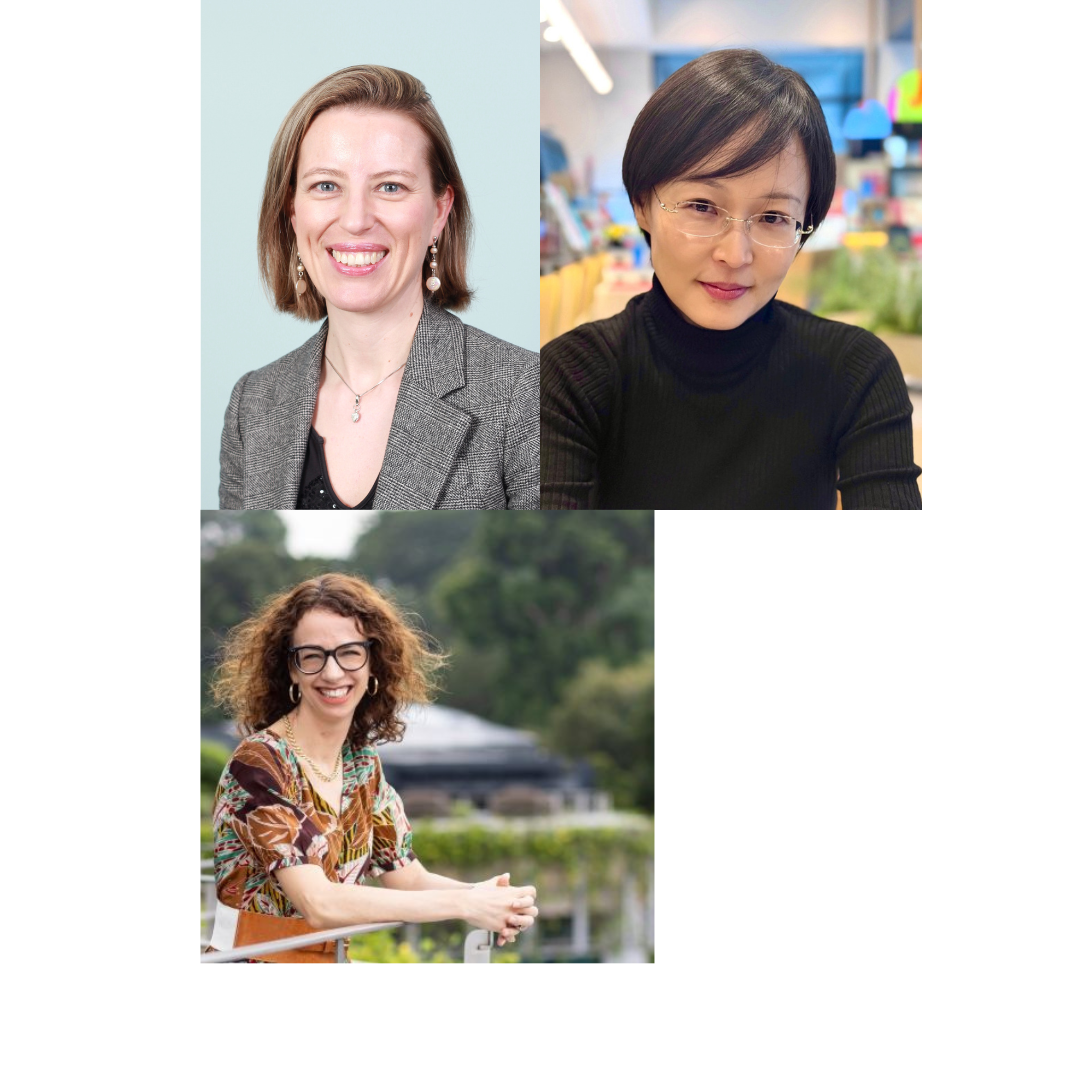
Łucja BIEL, Hanem EL-FARAHATY & Francesca L. SERACINI
In this final contribution to our symposium on The Language of Comparative Constitutional Law: Questioning Hegemonies, Łucja Biel, Hanem El-Farahaty and Francesca Seracini consider how linguistic methods in comparative law can enrich comparative analysis.