Featured




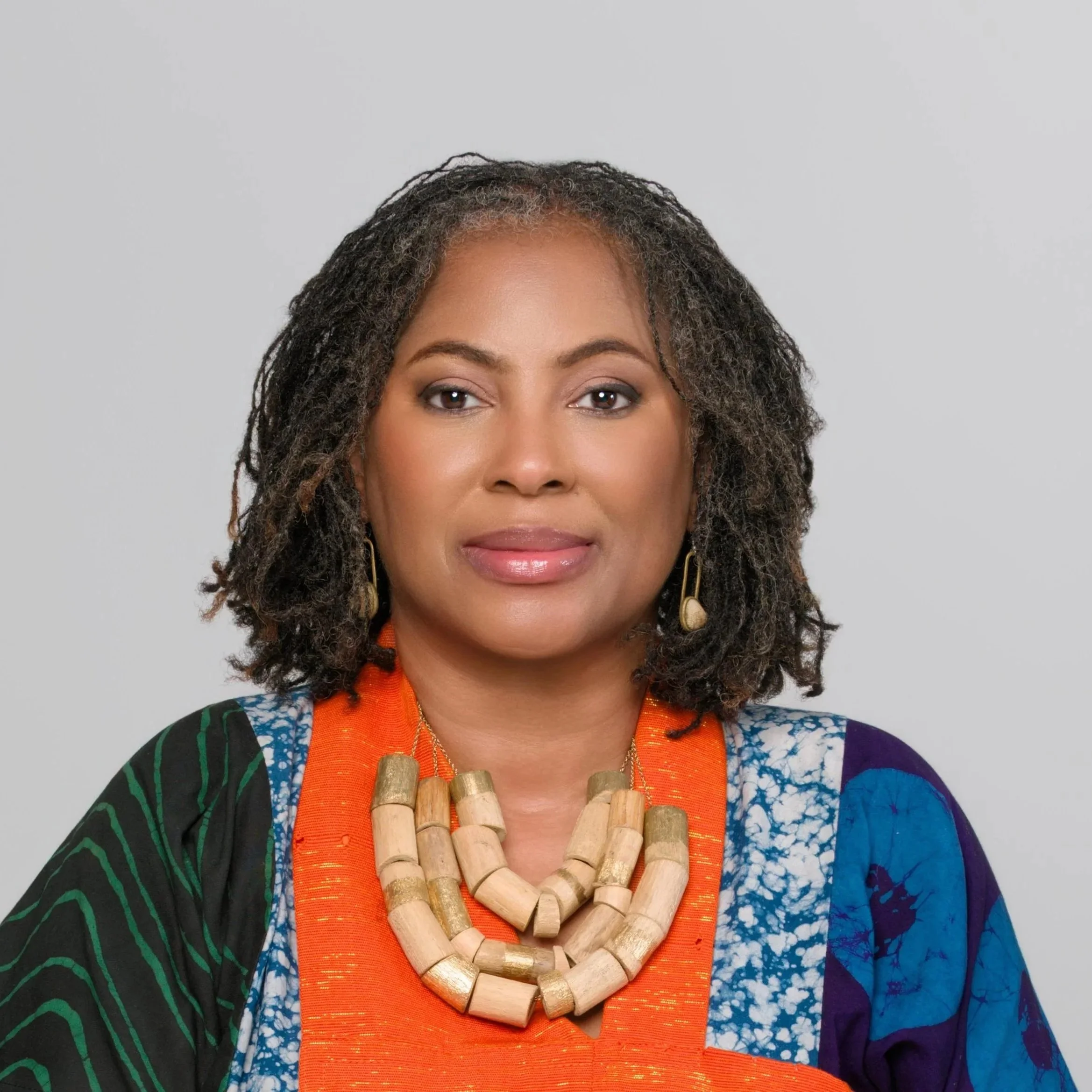
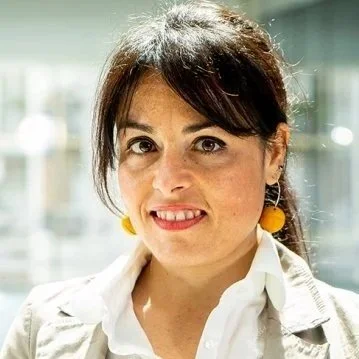





Petra Butler and Sam Macintosh explore comparative integration models -EU, ASEAN, MERCOSUR- and constitutional preconditions for building a Pacific Common Market.
In the latest post in our symposium on Small State Constitutionalism, Jennifer Corrin discusses the complex judicial architecture of Niue, issues of patriating laws, and potential reforms to land dispute resolution.
Christos Papastylianos examines how ‘smallness’ shaped the constitutional breakdown of Cyprus in 1963, from elite‑driven constitution‑making to external constraints and rigid communal divisions.
In the latest post in our symposium on Small State Constitutionalism, Maartje De Visser and Elisabeth Perham explore the idea of ‘stateness’, arguing for greater attention in comparative constitutional scholarship to the constitutional experiences and designs of non-independent and non-sovereign jurisdictions.
Tracy Robinson explores dyadic constitutionalism in the Anglo-Caribbean—an understudied form of constitutional pluralism in which internal constitutions operate alongside enduring imperial legal authority. The post shows how colonial constitutional infrastructure continues to shape sovereignty, judicial power, gender equality, and democratic change in small Caribbean states and overseas territories.
In the latest post in our symposium on Small State Constitutionalism, Elisa Bertolini discusses the experiences of Andorra, Liechtenstein, Monaco and San Marino, highlighting how scale, identity and history shape constitutional design.
Anna Dziedzic examines multitasked office as a constitutional design choice in small states, analyzing its motivations, benefits, and risks in Kiribati, Nauru, and the Marshall Islands.
Ine Apapoe and Janine Ubink explore Suriname’s strong legal pluralism, where Indigenous and Maroon communities assert customary authority over land and resources, challenging the state’s claim to ultimate constitutional authority.
Sinethemba Memela examines the uses and misuses of law and custom in Eswatini as a small constitutional state. In the country, authoritarianism has been discursively legitimised through an identitarian construction of Swazis as an inherently peaceful and acquiescent people – a narrative systemically weaponized to repress political dissent and domesticate the judiciary.
John Stanton examines Malta’s government and democracy from its time as a British colony to post-independence.
In Pacific constitutional studies, written constitutions are often framed as postcolonial products – legal instruments adopted in the wake of empire. Tonga stands apart from this narrative. As the only Pacific Island nation never formally colonised (though it was a British protectorate from 1900 to 1970), Tonga developed its own constitutional order through a process that cannot be explained adequately by modern constitutional theory or legal pluralism.
New Symposium: Elisabeth Perham, Maartje de Visser and Rosalind Dixon introduce a new symposium on the Blog on Small State Constitutionalism. Based on an edited collection of the same name published by Hart in 2025, the symposium highlights the constitutional issues caused by or encountered in relation to small state jurisdictions.
The blog of the International Association of Constitutional Law (IACL)
Powered by Squarespace.


![Xx1088_-_Seoul_city_nightscape_during_1988_Paralympics_-_3b_-_Scan [test].jpg](https://images.squarespace-cdn.com/content/v1/5af3f84a4eddec846552ea29/1527486925632-3VZP3ASLAHP1LJI0D9NJ/Xx1088_-_Seoul_city_nightscape_during_1988_Paralympics_-_3b_-_Scan+%5Btest%5D.jpg)

Joelle BARNES
Dr Joelle Barnes explores how, 30 years after adopting a democratic constitution, Seychelles still grapples with strong presidential power—while unexpected actors like ombuds institutions and independent media offer hope.